Medical Wellness Tourism and Yoga in Singapore: The Emerging Segment Blending Clinical Recovery with Studio Practice
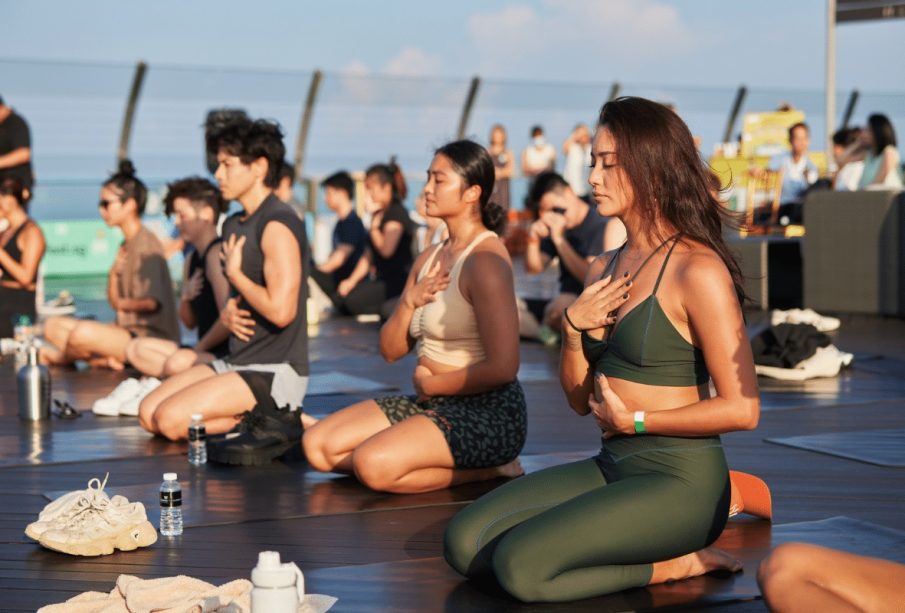
Singapore has long been one of Asia’s premier medical tourism destinations, attracting patients from across the region for complex surgical procedures, specialist consultations and treatments that are either unavailable or less trusted in their home countries. What is newer, and what represents one of the most interesting developments at the intersection of healthcare, travel and the wellness industry, is the emergence of a medical wellness tourism model that integrates yoga Singapore and complementary movement practices into the recovery and rehabilitation dimension of medical travel. Patients who travel to Singapore for orthopaedic procedures, cardiac interventions, oncology treatment and other significant medical episodes are increasingly extending their stays to include structured wellness programming that supports their clinical recovery through evidence-based complementary practices.
The Medical Wellness Tourism Market in Singapore
Medical wellness tourism occupies a specific and commercially significant position in the broader medical travel landscape. It is distinct from conventional medical tourism, which focuses on the clinical procedure itself and treats everything else as logistical. It is also distinct from general wellness tourism, which is oriented around healthy individuals seeking relaxation, rejuvenation and optimisation. Medical wellness tourism serves people who are managing a specific health condition or recovering from a significant medical intervention and who want to complement their clinical treatment with structured wellness practices that have an evidence base for supporting recovery.
Singapore’s competitive advantages in this segment are substantial. Its medical system is among the highest quality in Asia and is trusted by medical travellers across the region and beyond. Its wellness industry has developed to a level of sophistication that can credibly serve people with genuine health conditions rather than simply healthy individuals seeking pampering. Its physical safety and cleanliness make it a comfortable environment for people who may have compromised immunity or physical vulnerability during a recovery period. And its urban form and transit infrastructure make wellness venues accessible without requiring the physical effort that navigating many other Asian cities demands of someone managing post-procedure fatigue or limited mobility.
Yoga’s Role in Post-Procedural Recovery
The evidence base for yoga as a complementary recovery tool in various post-procedural contexts has grown considerably over the past decade, and Singapore’s medical establishments are becoming progressively more familiar with this evidence and more willing to discuss yoga as a complementary option with appropriate patients.
In cardiac recovery, yoga’s effects on blood pressure, heart rate variability and autonomic nervous system regulation are directly relevant to the physiological goals of post-cardiac intervention rehabilitation. Controlled trials of yoga in cardiac rehabilitation programmes have found improvements in exercise capacity, blood pressure control and psychological wellbeing that add value beyond standard cardiac rehabilitation protocols. Singapore’s cardiac surgery specialists are among the more progressive in Asia in acknowledging this evidence and, in some cases, pointing patients toward appropriate yoga resources.
In orthopaedic recovery, particularly following hip and knee replacements, spinal procedures and shoulder surgeries, the role of gentle, appropriately modified yoga in supporting the range of motion, functional strength and neuromuscular coordination aspects of rehabilitation is being recognised by Singapore’s physiotherapy community. Studios that have developed genuine expertise in working with post-surgical patients, with teachers who understand surgical recovery protocols and can communicate effectively with the physiotherapists managing the clinical side of recovery, are filling a valuable gap in the post-acute rehabilitation landscape.
In oncology, the evidence for yoga’s benefits in managing treatment-related fatigue, anxiety, sleep disruption and quality of life is among the strongest in the yoga research literature. Singapore’s cancer treatment centres have access to some of Asia’s most sophisticated oncology capability, and several have begun to formalise their referral pathways to yoga and complementary wellness resources for patients who are appropriate candidates.
Designing the Medical Wellness Travel Experience
For medical wellness tourism to work effectively as an integrated experience rather than simply as a clinical stay with some wellness activities bolted on, the coordination between the medical and wellness elements of the visit needs to be thoughtful and structured. This is the area where the most interesting development in Singapore’s medical wellness tourism model is occurring.
A small but growing number of medical travel facilitators and wellness concierge services in Singapore are developing coordinated packages that sequence yoga and wellness programming appropriately within a post-procedural recovery timeline, source teachers with the clinical literacy to work with recovery patients safely, and provide the practical logistics support that allows someone managing a health condition to navigate the city’s wellness landscape without difficulty.
The sequencing of yoga within a recovery programme is particularly important and requires the kind of clinical knowledge that general wellness tourism platforms are not equipped to provide. A patient three days post-cardiac catheterisation has entirely different yoga access parameters from a patient six weeks post-hip replacement, and both are entirely different from a patient in active oncology treatment. Studios and teachers who can work within these parameters, and who maintain the communication with supervising clinicians needed to ensure that yoga programming remains within safe clinical boundaries, are the ones that the emerging medical wellness tourism segment genuinely needs.
The accommodation dimension of medical wellness travel in Singapore has also begun to develop in response to this market. Several hotels with strong wellness programming have developed specific offerings designed for medical travellers, including room configurations that accommodate limited mobility, dining options that support therapeutic nutrition requirements and in-room wellness services for guests whose clinical status makes studio travel impractical in the early recovery period.
Yoga Edition and Singapore’s quality studio community are natural partners in the further development of this emerging medical wellness tourism segment, providing the clinical literacy, programming flexibility and community support that recovery-focused visitors need from their wellness experiences during a Singapore medical travel episode.