
Cultural Destinations Every Traveler Should Visit Once
Travel becomes more meaningful when it connects you with the history, traditions, architecture, and daily life of different societies. Cultural destinations offer experiences that go beyond sightseeing—they help travelers understand how civilizations evolved and how people continue to preserve their identities today.
Exploring culturally rich locations at least once in a lifetime can deepen perspective, inspire curiosity, and create lasting appreciation for global diversity.
Why Cultural Travel Matters 🌍
Cultural destinations provide insight into traditions shaped over centuries. They help travelers experience:
- Historic landmarks and architecture
- Local festivals and rituals
- Regional cuisine and craftsmanship
- Indigenous lifestyles and storytelling
- Museums and heritage districts
Such experiences often become the most memorable parts of any journey.
Rome, Italy: Living History Around Every Corner 🏛️
Rome blends ancient heritage with vibrant modern life. Walking through its streets often feels like moving through layers of history.
Highlights include:
- Ancient Roman architectural remains
- Renaissance-era churches and plazas
- Traditional Italian cuisine culture
- World-famous art collections
- Historic walking routes through old neighborhoods
Rome remains one of the world’s most immersive cultural capitals.
Kyoto, Japan: Tradition Preserved with Elegance 🌸
Kyoto represents Japan’s classical heritage through temples, gardens, and long-standing customs.
Visitors often experience:
- Wooden shrines and Buddhist temples
- Seasonal cherry blossom landscapes
- Tea ceremony traditions
- Historic geisha districts
- Carefully preserved cultural neighborhoods
The city offers a calm and reflective cultural atmosphere.
Petra, Jordan: A Wonder Carved into Stone 🐪
Petra stands as one of the most remarkable archaeological sites in the world.
Travelers can explore:
- Rock-cut architecture dating back centuries
- Ancient trade-route history
- Desert landscapes surrounding the city
- Narrow canyon pathways leading to monumental structures
Its dramatic setting creates a powerful connection to ancient civilizations.
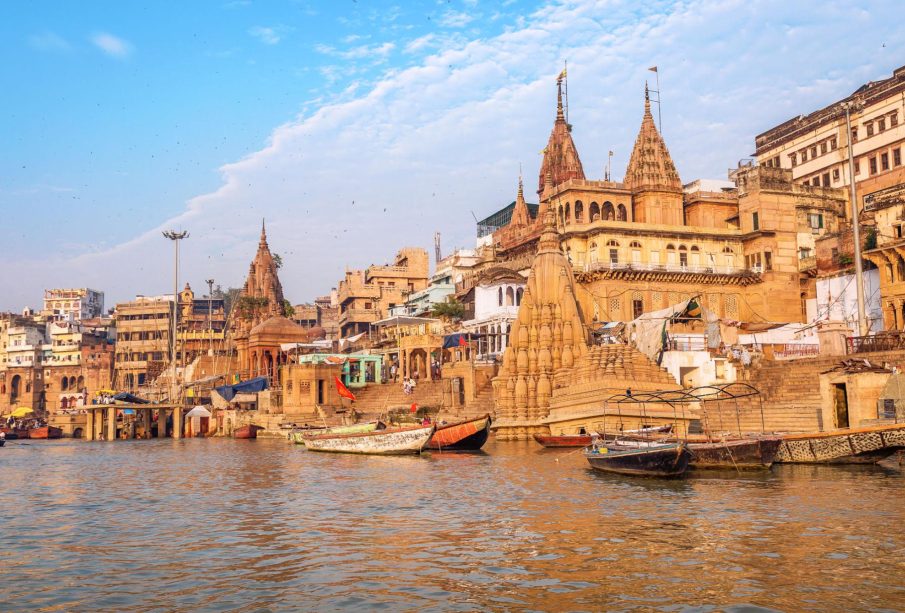
Varanasi, India: Spiritual Traditions Along the River 🌊
Varanasi is one of the oldest continuously inhabited cities in the world and remains a center of spiritual activity.
Cultural experiences include:
- Ritual ceremonies along riverfront ghats
- Traditional music and chanting practices
- Local handicraft markets
- Historic temples and narrow old-city streets
The city offers a deeply symbolic cultural atmosphere shaped by centuries of devotion.
Cusco, Peru: Gateway to Incan Heritage 🏔️
Cusco combines indigenous heritage with colonial architecture in a unique mountain setting.
Visitors can discover:
- Incan stone structures
- Spanish-era plazas and churches
- Local textile traditions
- Traditional Andean cuisine
- Cultural festivals throughout the year
The city serves as an important cultural gateway to the Andes region.
Istanbul, Türkiye: Where Continents and Cultures Meet 🌉
Istanbul reflects centuries of cultural exchange between Europe and Asia.
Travelers often enjoy:
- Historic mosques and palaces
- Traditional bazaars and markets
- Diverse culinary influences
- Waterfront views along historic trade routes
Its layered heritage makes it one of the world’s most culturally dynamic cities.
Cairo, Egypt: Legacy of Ancient Civilizations 🐫
Cairo connects travelers with one of the world’s earliest known civilizations.
Key cultural attractions include:
- Ancient pyramid complexes nearby
- Historic mosques and museums
- Traditional markets and crafts
- Nile River heritage experiences
The city provides insight into thousands of years of human history.
Paris, France: Art, Architecture, and Intellectual Heritage 🎨
Paris remains one of the most influential cultural centers globally.
Visitors often explore:
- Renowned museums and galleries
- Historic boulevards and landmarks
- Literary cafés and artistic districts
- Classical European architecture
Its cultural influence continues to shape global art and fashion.
Tips for Making the Most of Cultural Destinations 🧭
Thoughtful preparation enhances cultural travel experiences.
Helpful strategies include:
- Learning basic local greetings
- Respecting dress customs at heritage sites
- Visiting museums early in the day
- Exploring neighborhoods beyond tourist centers
- Trying regional dishes thoughtfully
Engagement with local traditions makes travel more meaningful and respectful.
Frequently Asked Questions (FAQs)
1. What defines a destination as culturally significant?
A culturally significant destination typically has historic landmarks, preserved traditions, artistic heritage, and strong connections to past civilizations.
2. How can travelers respectfully interact with local cultures?
Observing local etiquette, dressing appropriately at religious sites, and asking permission before photographing people are important practices.
3. Are cultural destinations suitable for family travel?
Yes. Many cultural cities offer museums, guided tours, and heritage walks that are engaging for all age groups.
4. Should travelers learn local language phrases before visiting cultural sites?
Learning simple greetings and polite expressions can improve communication and show respect for local communities.
5. Is it necessary to hire guides at historical destinations?
Guides can provide deeper context and stories that enhance understanding of heritage sites.
6. How can travelers support cultural preservation while visiting?
Choosing local businesses, respecting heritage rules, and avoiding damage to historic structures help protect cultural landmarks.
7. What is the best way to prepare before visiting culturally sensitive locations?
Researching customs, understanding religious practices, and reviewing visitor guidelines ensures a respectful and rewarding experience.