
How to Choose the Right Destination for Your Next Trip
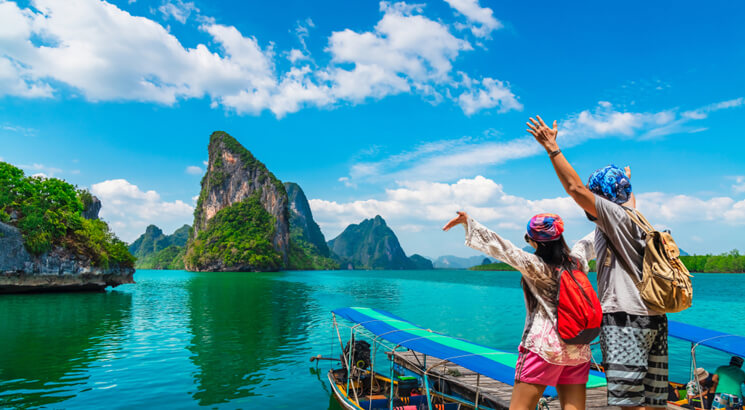
Choosing the right destination can shape your entire travel experience. A well-matched location supports your expectations, budget, schedule, and interests, while a poorly chosen one can lead to unnecessary stress or missed opportunities. Thoughtful planning helps ensure your next trip feels rewarding from start to finish.
Instead of selecting a place randomly or following trends alone, it’s better to evaluate several practical factors that align with your personal travel goals.
Define Your Travel Purpose First 🎯
Start by identifying why you want to travel. Your purpose influences nearly every decision that follows.
Common travel motivations include:
- Relaxation and wellness
- Adventure and outdoor exploration
- Cultural discovery
- Food experiences
- Family bonding time
- Solo self-reflection trips
Clarifying your intention makes destination selection more focused and meaningful.
Set a Realistic Travel Budget 💰
Budget plays a major role in narrowing down destination options. Planning within your financial comfort zone helps avoid unnecessary pressure during the trip.
Consider these expense categories:
- Transportation costs
- Accommodation
- Meals and daily spending
- Activity or entry fees
- Travel insurance
- Local transportation
Sometimes a nearby destination can provide just as much enjoyment as an international journey.
Consider the Best Time to Visit the Destination 🌦️
Seasonal conditions affect both comfort and travel experiences. Weather patterns, festivals, and tourist crowds vary throughout the year.
Before deciding:
- Check seasonal climate conditions
- Review peak and off-peak travel periods
- Research regional festivals or events
- Avoid extreme weather seasons where possible
Traveling at the right time improves both safety and enjoyment.
Match the Destination to Your Travel Style 🧭
Every traveler has a unique pace and preference. Choosing a destination that matches your style prevents fatigue and disappointment.
Different travel styles may include:
- Slow travel in quiet countryside areas
- Fast-paced city exploration
- Nature-focused itineraries
- Luxury relaxation stays
- Budget-friendly backpacking trips
Your destination should support how you like to explore, not force you to adapt too much.
Evaluate Travel Time and Accessibility ⏱️
Long travel times can reduce the time available to actually enjoy your destination, especially for short trips.
Before finalizing your location:
- Check flight or train duration
- Consider visa requirements if applicable
- Review local transportation availability
- Estimate total travel hours including transfers
Convenient access makes your trip smoother and less tiring.
Research Safety and Local Conditions 🔦
Safety is a key factor that should never be overlooked when choosing where to travel.
Important things to check include:
- Local travel advisories
- Health requirements or vaccinations
- Emergency service availability
- Political or environmental conditions
- General traveler feedback
Being informed helps you prepare responsibly.
Think About Who Is Traveling With You 👨👩👧👦
Your travel companions influence destination suitability.
For example:
- Families may prefer safe, activity-rich locations
- Couples often enjoy scenic or quiet environments
- Solo travelers may value accessibility and flexibility
- Friends might prefer destinations with adventure or nightlife options
Choosing a destination that suits everyone improves the overall experience.
Explore Activities Available at the Destination 🎒
A destination becomes memorable when it offers experiences you genuinely enjoy.
Look for places that provide:
- Outdoor activities like hiking or boating
- Cultural attractions such as museums or heritage sites
- Local markets and cuisine experiences
- Scenic viewpoints and photography spots
- Seasonal festivals or events
Planning around experiences rather than just locations makes trips more fulfilling.
Balance Popular Destinations with Hidden Alternatives 🌄
Famous destinations attract visitors for good reasons, but lesser-known places often offer quieter and equally rewarding experiences.
Consider:
- Nearby alternatives to crowded tourist hubs
- Off-season visits to popular locations
- Regional destinations within your own country
This approach can reduce costs and improve travel comfort.
Check Accommodation Availability Early 🏨
Destination choice should also depend on whether suitable accommodation options are available during your travel dates.
Before confirming plans:
- Compare hotel and rental availability
- Review location convenience
- Check cancellation policies
- Confirm nearby transport access
Reliable accommodation supports a smoother trip overall.
Frequently Asked Questions (FAQs)
1. How far in advance should I choose a travel destination?
Selecting a destination at least one to three months in advance allows enough time for planning transportation and accommodation.
2. Should first-time travelers choose domestic or international destinations?
Domestic trips are often easier for first-time travelers because they involve fewer formalities and shorter travel times.
3. How can travelers decide between multiple destination options?
Comparing costs, travel time, activities, and seasonal conditions helps narrow down the most suitable choice.
4. Is it better to follow travel trends or personal interests when choosing a destination?
Personal interests usually lead to more satisfying experiences than simply following popular travel trends.
5. Can short trips still feel meaningful without traveling far?
Yes. Well-planned nearby trips can offer relaxation, discovery, and memorable experiences without long-distance travel.
6. How important is local transportation when selecting a destination?
Accessible transportation makes sightseeing easier and helps reduce travel stress during your stay.
7. Should travelers plan destinations around events or festivals?
Yes. Visiting during cultural festivals can enhance travel experiences, but it’s important to prepare for larger crowds and higher accommodation demand.