Essential Packing Checklist for Adventure Travelers
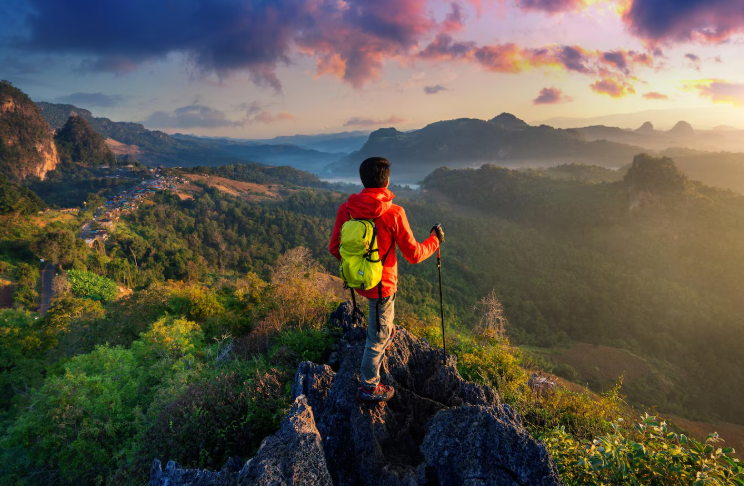
Adventure travel demands more preparation than typical vacations. Whether you’re trekking through mountains, exploring forests, camping in remote areas, or navigating rugged terrain, having the right gear can make the difference between a safe, enjoyable journey and a stressful experience.
A smart packing strategy ensures you stay prepared for changing weather, physical challenges, and unexpected situations while keeping your load manageable.
Why a Specialized Packing Checklist Matters
Adventure environments are often unpredictable. Unlike city travel, access to shops, medical assistance, and transportation may be limited. Carrying the right essentials helps maintain comfort, safety, and mobility throughout your trip.
A structured checklist prevents overpacking while ensuring you don’t forget critical items.
Travel Documents and Essentials 📄
Before focusing on gear, secure your important travel basics.
Carry these items safely:
- Government-issued ID or passport
- Travel permits (if required)
- Emergency contact details
- Travel insurance information
- Printed itinerary copies
- Offline maps or downloaded navigation apps
Keeping both digital and physical backups reduces risk in remote areas.
Clothing for Changing Conditions 👕
Adventure destinations often involve shifting weather patterns, altitude differences, or rugged terrain. Pack clothing that supports flexibility and protection.
Recommended clothing items include:
- Moisture-wicking shirts
- Quick-dry trekking pants
- Thermal base layers (for cold regions)
- Lightweight waterproof jacket
- Extra socks (preferably wool or synthetic)
- Compact gloves and cap
- Sun protection hat
Layering is more effective than carrying bulky outfits.
Footwear That Supports Long Exploration 👟
Footwear plays a critical role in preventing injuries and fatigue.
Choose:
- Durable trekking shoes or hiking boots
- Lightweight sandals or camp footwear
- Blister-prevention socks
- Spare laces
Always break in new footwear before your trip to avoid discomfort.
Navigation and Safety Equipment 🧭
Reliable navigation tools are essential when traveling through unfamiliar terrain.
Important safety items include:
- GPS device or offline maps
- Compass
- Headlamp or flashlight
- Multi-tool or pocket knife
- Emergency whistle
- Portable power bank
These tools improve safety during unexpected route changes or delays.
First Aid and Health Supplies 🩺
Minor injuries are common during adventure travel. A compact first aid kit helps manage issues before they escalate.
Include:
- Bandages and antiseptic wipes
- Pain relief medication
- Motion sickness tablets (if needed)
- Personal prescriptions
- Electrolyte sachets
- Insect repellent
- Sunscreen with adequate SPF
Preparedness allows quick response in remote environments.
Hydration and Nutrition Essentials 💧
Staying hydrated and energized is critical during physically demanding activities.
Carry:
- Reusable water bottle or hydration pack
- Water purification tablets or filter
- Energy bars or trail snacks
- Dry fruits or nuts
These items support endurance when food options are limited.
Camping and Outdoor Gear (If Required) ⛺
For wilderness or overnight outdoor trips, additional equipment becomes necessary.
Depending on your itinerary, pack:
- Lightweight sleeping bag
- Compact tent or shelter
- Sleeping mat
- Portable cooking equipment
- Fire starter kit
Always adjust gear based on terrain and trip duration.
Weather Protection and Personal Comfort Items 🌦️
Unexpected weather changes are common in adventure locations. Protective gear improves safety and morale.
Helpful additions include:
- Sunglasses with UV protection
- Lip balm
- Rain cover for backpack
- Quick-dry towel
- Neck gaiter or scarf
Comfort items can significantly improve long travel days.
Electronics and Backup Accessories 🔋
Adventure travel often limits access to electricity. Managing power wisely keeps your devices functional.
Useful electronics include:
- Power bank with high capacity
- Charging cables in waterproof pouch
- Solar charger (for extended trips)
- Offline translation or navigation apps
Backup power solutions reduce dependency on charging stations.
Smart Packing Tips for Adventure Efficiency 🎯
Efficient packing helps balance weight and accessibility.
Follow these strategies:
- Use packing cubes for organization
- Keep essentials in outer compartments
- Store documents in waterproof pouches
- Distribute weight evenly inside the backpack
- Carry only multi-purpose gear whenever possible
Packing smarter allows greater mobility and reduces fatigue during long journeys.
Frequently Asked Questions (FAQs)
1. How heavy should an adventure travel backpack ideally be?
Most experts recommend keeping backpack weight below 10–15% of your body weight for better comfort and mobility.
2. Are trekking poles necessary for adventure travel?
They are especially useful on steep or uneven terrain and help reduce pressure on knees during long hikes.
3. Should adventure travelers carry printed maps even if using GPS?
Yes. Printed maps act as reliable backups when devices lose battery or signal coverage.
4. What type of backpack is best for multi-day adventure trips?
A backpack between 40–60 liters is typically suitable for multi-day trips, depending on gear requirements.
5. Is waterproof gear essential for all adventure destinations?
Not always, but it is highly recommended since weather conditions can change unexpectedly in many outdoor environments.
6. How can travelers protect electronics during outdoor adventures?
Using waterproof pouches, padded compartments, and dry bags helps prevent damage from moisture and impact.
7. What is the best way to organize small items inside an adventure backpack?
Packing cubes, zip pouches, and labeled compartments help keep items accessible and prevent unnecessary unpacking during travel.