EBC Trek A Guide to Everest’s Most Iconic Hike
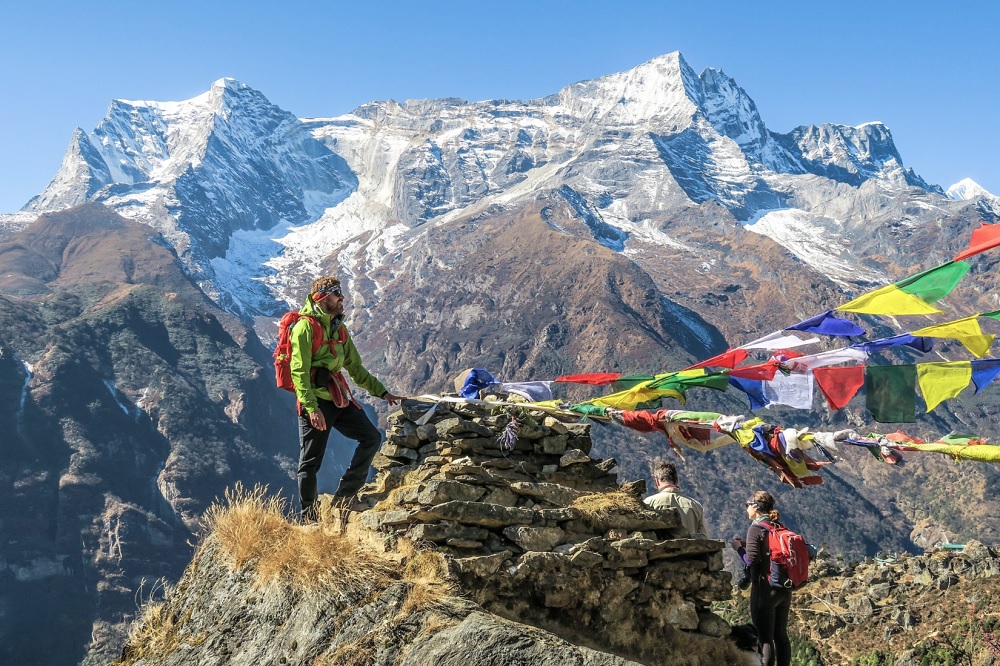
The trek to Everest Base Camp (EBC) is one of the world’s most iconic and exhilarating hikes. Located in the heart of the Himalayas, this trek is known for its breathtaking views of the undefeated peak, Mount Everest, and diverse topography which allow people to experience the peaks and local culture of the Sherpa people. So, for anyone seeking the thrill of hiking, the raw beauty of the mountains, and the opportunity to connect with local culture, the EBC trek is an experience of a lifetime.
A trek commences in the lively city of Kathmandu, where trekkers gather and immerse themselves in the amazing culture. From Kathmandu, the journey gets exciting with a flight to Lukla, a small mountain town that has one of the world’s most dangerous airports. This smidge of a flight is breathtaking, tracing the Himalayas as a teaser of things to come.
The hike to Everest Base Camp alone lasts about 12 days, through traditional Sherpa villages, dense woodlands, and alpine meadows. It’s a well-worn path but still poses difficulty thanks to its elevation and rugged surroundings. As they make their way, trekkers will encounter famous villages, including Namche Bazaar — a vibrant center and the gateway to the Everest region. This village is famous for its splendid views of Everest as well as its bustling markets and folklife.
Acclimatization is the key to making the EBC trek successful. As trekkers slowly rise up, they need to allow their bodies to adjust to the thinner air. This is particularly important when trekking to elevations such as Tengboche, where the iconic Tengboche monastery is situated. Here, trekkers can pause to visit Buddhist shrines and take in views of some of the world’s highest peaks, including Ama Dablam, Lhotse, and Mount Everest.
As trekkers climb higher, they pass through villages such as Dingboche and Lobuche, where the terrain grows more desolate and the air thinner. This last push to reach Everest base camp is incredibly rewarding as trekkers finally reach the base of the daunting Everest — the exact ground where climbers begin their journeys. The views of the Khumbu Icefall and the south face of Everest from the base camp do not disappoint, showing why so many trekkers aspire to achieve this feat.
Trekkers also get to experience Sherpa culture along the trek. The Sherpas, famous for their stamina and ability to maneuver the mountains, open their homes and families to guests. Visitors can discover their traditions, explore Buddhist monasteries, and get an understanding of what it’s like to live in such a harsh yet stunning setting. The warm hospitality of the Sherpa people adds a deep cultural dimension to the physical toil of the trek.
Everest Base Camp Trek Gear List This trek, as with any other, is not just a destination but a journey. Everything from the bond formed with your fellow trekkers to your moments of solemnity beneath a blanket of rock and ice becomes transcendental. It’s a rite of endurance, a celebration of nature, and a chance to see the world’s highest peaks and the people who live among them. The Everest Base Camp trek is a trek that will resonate with anyone looking for an adventure that can transform their life and provide an experience that will linger long after they’ve returned to Earth.
Everest Base Camp Trek – An Introduction
Trekking to Everest Base Camp (EBC) is a world-renowned adventure that leads trekkers deep into the core of the Himalayas with stunning views of Mount Everest and its neighboring peaks. The trail begins in lively Kathmandu and takes adventurers through villages inhabited by Sherpas, Buddhist monasteries, thick forests, and rocky terrain. Trekkers make their way over 12 days from the low altitudes of Lukla to the high-altitude Everest Base Camp, at 5,364 meters (17,598 feet). Through the journey, you’ll witness striking landscapes, meet local culture, and push your physical limits as you maneuver through differing altitudes. This will not only push your endurance, but is an experience that will truly transform you and leave you with unforgettable memories for the rest of your life.
EBC Trek: The Ultimate Himalayan Adventure
On the other hand, the EBC Trek is the perfect blend of nature & culture and the feeling of achievement that is second to none. Each step on the trek provides stunning views of Everest, Lhotse, Nuptse, and the other towering peaks of the Himalayas. The trek also allows you to experience the rich Sherpa culture and Buddhist traditions as well as get a view into life in this one of the most remote regions in the world. Aside from the challenge of trekking at high altitudes, the sense of accomplishment in reaching Everest Base Camp makes this an unforgettable once-in-a-lifetime journey. If you want a pure taste of nature, test your limits, and enjoy the authentic experience of the Himalayas, the EBC Trek is the most extreme adventurous activity.
Best Season/Time to TrekThe weather and seasons
The ideal time for hiking to Everest base camp is during pre-monsoon (spring) & post-monsoon (autumn). Spring, between March and May, is the most popular time, with mild weather, clear skies, and wonderful views of the surrounding peaks. This is the season with the least amount of rain in this region, when the trails are more navigable. Fall, from late September to November, is also great, with cooler temperatures and crisp, clear air. From June to August, the monsoon season, it’s best to avoid this window, as trails can get slippery, and heavy rainfall can cause travel interruptions. Winter, from December to February, is less ideal owing to freezing temperatures and snow, but can offer fewer crowds and a quiet, serene trek for well-prepared hikers.
Reaching Nepal: Your First Step to Everest
Your Everest Base Camp Trek starts in Kathmandu, Nepal’s capital city. The majority of international travelers arrive in Nepal by air, most of them at Tribhuvan International Airport, where you can find connecting flights from international hubs around the world. Kathmandu serves as the starting point of the trek, where you’ll collect permits, meet your guides, and make any last-minute preparations for the odyssey ahead. The city is relatively rich in culture and history, with plenty of temples, markets, and sites to check out before you head up into the mountains. You’ll need to arrive a few days in advance of your trek to acclimatize to the altitude, finalize logistics, and soak up the vibrant energy of Nepal’s capital.
Getting to Lukla: The Nepalese Gateway to the Himalayas
Then, it’s a thrilling flight to Lukla after your time in Kathmandu, to a small town that’s the Everest region’s gateway. Lukla’s Tenzing-Hillary Airport is renowned for its short, steep runway and is situated on the side of a mountain, which makes for an adrenaline-charged start to your adventure. The flight takes you over godlessly deep valleys, flanked by snow-capped peaks, and is a spectacular prelude to the trek. From Lukla, the hiking truly starts. You’ll leave civilization behind and step into the wild, high-altitude terrain that takes you to Everest Base Camp. Lukla is the official starting point of the trek and is where you’ll acclimatize to the rigors of the mountains.
The Trekking Route: Important Stages and Daily Distances
Luxury Everest Base Camp Trek The way to Everest Base Camp is a well-trodden path, and the main stops along the way are carefully thought out to let you acclimatize and recover. The trek starts with a relatively short hike from Lukla to Phakding, your first stop for the night. The next day, you’ll transfer to Namche Bazaar, the bustling heart of the Khumbu region, where you’ll take a day to acclimatize. The journey progresses from Namche to Tengboche with its gorgeous monastery and views of the mountains. As you ascend, the villages of Dingboche and Lobuche serve as welcome stoppages to facilitate rest and acclimatization before arriving in Gorak Shep, the final stop before Everest Base Camp. Depending on the destination, each day’s trek varies between 5 and 10 kilometers, with elevation gains that challenge but reward trekkers. As you can expect, the trek is a combination of moderate and strenuous hikes — you feel the beauty and the challenge of the route.
Acclimatization: Attuning to Heights
It is a very crucial part of the trekking period since EBC Trek scales above 5,000m (16,404ft), where the air is thinner and the oxygen level is lower. Many recommend gradually increasing your altitude so your body can acclimate to the density of oxygen levels. Key acclimatization measures involve adding days at strategic locations such as Namche Bazaar, Dingboche, and Lobuche, where you’ll hike during the day to a higher altitude and then return to your base camp and sleep at a lower elevation. This method encourages your body to generate more red blood cells, which are in charge of oxygen absorption. It’s also important to stay hydrated, skip the booz,e and eat micronutrient-rich food to help your body acclimatize to the altitude. It’s crucial to listen to your body — symptoms like headaches, dizziness or shortness of breath should be taken seriously, and descending to a lower altitude is the best medicine once symptoms arise and persist,”
Must-Have Packing List for EBC Trekking
Here is a comprehensive packing list for the Everest Base Camp trek. The basic gear consists of a high-quality, rugged, ergonomic backpack, layers of clothing to accommodate variable temperatures, and a cold-rated sleeping bag. You’ll definitely want waterproof outerwear, both a jacket and some pants, as the weather is quite unpredictable here. Broken-in, supportive trekking boots are a must, as are trekking poles for steep ascents and descents. You will also want to have a headlamp with extra batteries, a first aid kit, a water bottle or hydration system,m and personal items such as sunscreen, lip balm, and a camera. Remember your passport, trekking permits, and cash for expenses en route. To ensure comfort, bring snacks, ideally high-energy foods such as nuts and energy bars. Pack light and pack well — it adds up when there are steep climbs and long days ahead.
The Cultural Aspect: Sherpa Villages and Buddhist Monasteries
The Everest Base Camp Trek package is not merely a trek; it’s a cultural journey as well. It winds through remote Sherpa villages, where you’ll meet the local people and their unique traditions, customs and way of life. Sherpas have always been the embodiment of hospitality, resilience, and a profound relationship with the mountains. You’ll traverse through villages such as Namche Bazaar, with its bustling marketplaces and breathtaking views of the surrounding peaks, and Tengboche, which hosts the iconic Tengboche Monastery, a spiritual center for trekkers and locals. The Buddhist monasteries along the trail serve as peaceful retreats for reflective pause and observation of local spiritual practices. Lands dotted with prayer flags, stupas, and prayer wheels remind trekkers of the land’s spiritual connection to the people. Being part of the culture enriches the trek and gives more sense to it.
Challenges You Will Encounter and How to Deal With Them
The EBC Trek offers physical and mental challenges that will put your endurance and determination to the test. Altitude is perhaps one of the most major challenges, as lack of proper acclimatization may result in altitude sickness. Physical exhaustion, long days of trekking, and steep, rocky ground are also common challenges. The conditions can change abruptly with temperature fluctuations and unexpected rain or snow adding slickness to the route. To compensate for these pitfalls, it’s critical to manage your pace, ensure regular rest, and maintain hydration.” Training beforehand can also get your body ready for the exertion of the trek.” Mental toughness is half the battle — keep your eyes on your goal while also absorbing the beauty around you, as it will motivate you to keep going. In addition, leaning on your guide and other trekkers for support can help boost your spirits during tough moments as the camaraderie along the trail gives you a lift.
Cherishing this Academic Dream to Realize the Everest Journey
The EBC Trek boasts some of the best views in the world. From the flight into Lukla to the trek through lush valleys, dense forests, and alpine meadows, the views don’t disappoint. As you climb higher, the majestic views of Everest, Lhotse, Nuptse, and Ama Dablam provide dramatic backdrops that leave trekkers breathless. However, the real highlight of this trek is the epic view of Everest itself, which trekkers are treated to as they summit Kala Patthar, where they see a panoramic view of the world’s highest peak with the sunrise. Along the way, you will cross glacial rivers, sparkling waterfalls, and ancient monasteries, each twist of the trail leading to another beautiful vista. As the landscape shifts from vibrant green to arid, high-altitude wilderness, each step of the journey seems to uncover a new world. If one is na nature lover, a photographer, adventure lover then the first view of EBC Trek is an eye-candy!
The Ultimate Accomplishment: Mount Everest Base Camp
One of the rewards of the trek is the Everest Base Camp after days of hiking and a lot of challenges along the way. When you get to base camp and you’re at an altitude of 5,364 meters (17,598 feet), you feel like you’re on top of the world. With Everest’s south face and the Khumbu Icefall looming around you, that feeling of accomplishment is overwhelming. Few of the trekkers will actually make it to the top of Everest, but even reaching its base camp is an accomplishment and a testament to human endurance. It’s an emotional and historic moment, the product of weeks of struggle and maturation and process. Even for many, standing at Everest Base Camp is a transformational experience, and the memories of this colossal achievement will forever stay with them.