5 Historic Cities That Reveal the Story of the Silk Road
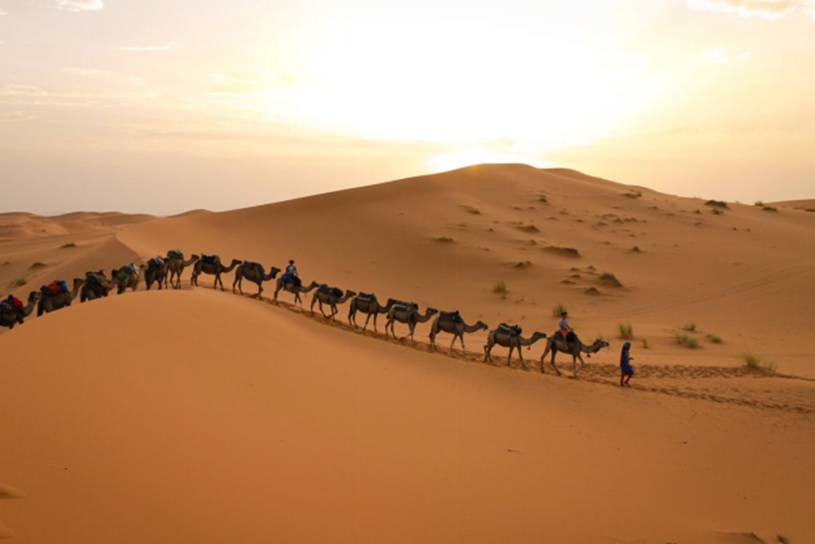
The Silk Road wasn’t one road. It was a network. Cities rose along it, grew wealthy from it, and sometimes vanished because of it, which is part of why the best Silk Road tour packages today are built around several stops rather than one.
Five cities in particular still tell that story clearly today. Each one reveals a different chapter, from imperial ambition to sudden collapse.
1. Samarkand: The Silk Road’s Most Iconic Capital
Samarkand needs little introduction. Its Registan Square is one of the most recognizable sights in Central Asia.
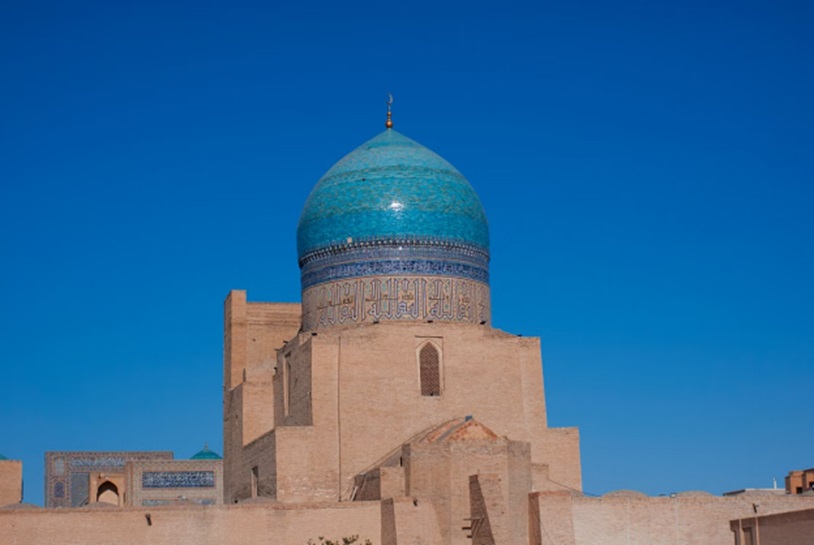
The city reached its peak under Timur in the late 1300s. He made it the capital of an empire stretching from India to Turkey. The tiled domes and towering portals built during that era still define the skyline.
His grandson Ulugbek added something different: one of the era’s most advanced astronomical observatories. Empire and science, side by side.
What makes Samarkand different from the other cities on this list? Scale. No other Silk Road city combined this much wealth, ambition, and architectural output in one place.
2. Bukhara: A City Frozen in Its Golden Age
Bukhara’s history runs even deeper. The Ark Fortress dates back roughly 2,300 years.
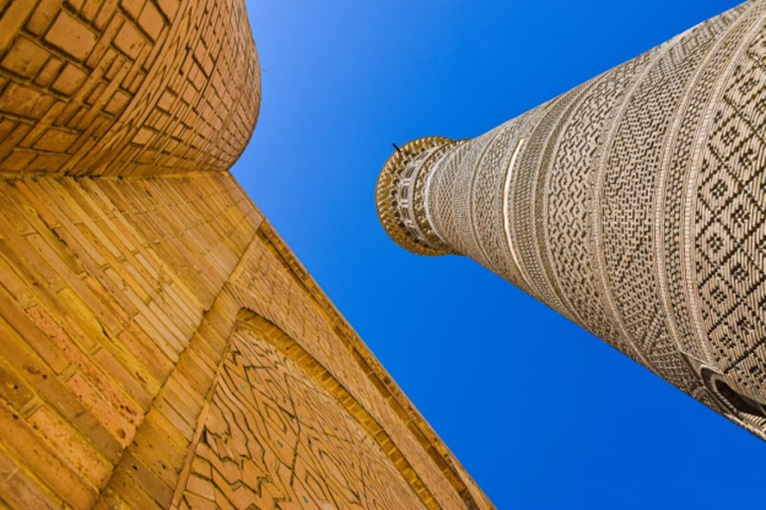
The Kalyan Minaret, built in 1127, still towers over the old city. It once served as a landmark visible to caravans approaching from the desert.
Bukhara’s historic center earned UNESCO World Heritage status for a simple reason: it survived. Much of the old city is still intact, still lived in, still functioning.
3. Khiva: The Walled City at the Desert’s Edge
Khiva feels different the moment you walk through its gates. The entire old town, Itchan Kala, sits inside a single defensive wall.
That containment is part of what makes it so well preserved. Nothing sprawled outward the way it did elsewhere, so the old city reads today almost exactly as it would have centuries ago.
Merchants once stopped here before crossing the desert toward Bukhara and beyond. The city’s isolation made it both a refuge and a target throughout its history, changing hands between khanates more than once.
4. Merv: The Silk Road’s Lost Metropolis
Merv doesn’t survive as a living city anymore. It survives as ruins, but remarkable ones.
At its height in the 12th century, Merv may have briefly been the largest city in the world. Human settlement here stretches back roughly 4,000 years.
Several distinct walled cities were built on the same site, one after another, as the settlement shifted over the centuries. Today, those layers are what visitors actually walk through.
You might be thinking, why did Merv disappear while other cities survived? Merv was destroyed by Mongol forces in the 13th century and never fully recovered. Its ruins remain one of the starkest reminders of how quickly Silk Road fortunes could reverse.
5. Khujand: A Quieter Chapter in the Same Story
Khujand rarely gets the same attention as the cities above. It deserves more.
Founded roughly 2,500 years ago, it sat at the mouth of the Fergana Valley, a position that made it wealthy through trade. Alexander the Great’s army passed through and renamed it Alexandria Eschate, a name that stuck for centuries afterward.
The city’s fortress and bazaar still reflect that long commercial history, even without Samarkand’s scale or Bukhara’s density of monuments. For travelers who’ve already seen the bigger names, Khujand offers a quieter, more grounded final chapter.
Seeing These Cities as One Story, Not Five
Visiting these cities separately tells you five different histories. Visiting them together tells you one continuous story, and that’s a different kind of trip entirely.
That kind of connected story is best experienced the same way it was built: city by city, along a single route. Small group Five Stans tours are typically designed with exactly this logic, linking several of these places within one itinerary rather than isolating them.
East Site Travel, a US-based tour operator with an established office in Uzbekistan, structures their Central Asia tours around exactly this kind of historical throughline, pairing Samarkand and Bukhara with less-visited stops like Khujand for travelers who want the full arc, not just the highlights. Those planning a trip built around this history can find East Site Travel’s contact details on their website.
About the Author:- Marcus Feldman is a history-focused travel writer who covers ancient trade routes and the cities that grew up around them. His work has appeared in several regional travel outlets.