
Tips for Avoiding Seasickness on Cruises
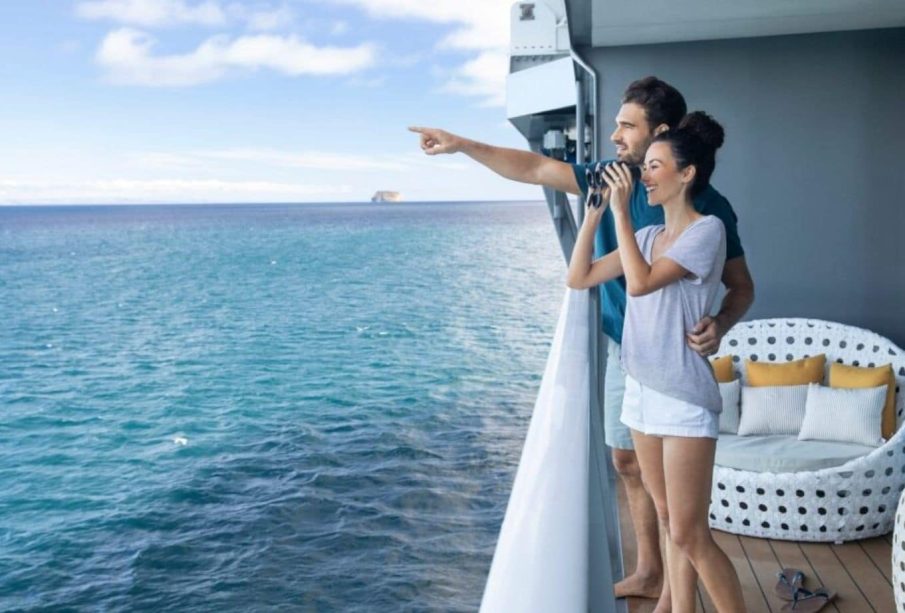
Cruise vacations offer a relaxing way to explore multiple destinations in a single trip, but seasickness can affect the experience for some travelers. Motion sensitivity varies from person to person, yet simple preparation and smart onboard habits can significantly reduce discomfort.
With the right strategies, most travelers can enjoy smooth sailing while staying comfortable throughout their journey.
Understand Why Seasickness Happens First 🌐
Seasickness occurs when the brain receives conflicting signals from the eyes, inner ear, and body. This sensory mismatch can cause symptoms such as dizziness, nausea, fatigue, or headaches.
Understanding this reaction helps travelers choose practical prevention methods before symptoms begin.
Choose the Right Cabin Location on the Ship 🛏️
Cabin placement plays a major role in reducing motion sensitivity during a cruise.
For greater comfort, select cabins that are:
- Located near the center of the ship
- Positioned on lower decks
- Away from the front and rear ends of the vessel
Central areas experience less movement compared to higher or outer sections.
Spend Time on Open Decks When Possible 🌅
Fresh air and a visible horizon help your body adjust more easily to ship movement.
Helpful habits include:
- Walking on open decks regularly
- Looking at the horizon line
- Avoiding long stays in enclosed spaces during rough seas
Natural visual references help stabilize your sense of balance.
Eat Light and Stay Hydrated 🍎💧
Heavy meals can increase discomfort when the ship is moving.
To stay comfortable:
- Choose smaller meals throughout the day
- Avoid greasy or overly rich foods
- Drink enough water regularly
- Limit caffeine and alcohol intake
Balanced nutrition supports your body’s adjustment to motion.
Use Motion Relief Remedies Before Symptoms Start 💊
Preventive approaches are often more effective than waiting for symptoms to appear.
Common options include:
- Motion sickness wristbands
- Over-the-counter medication (if appropriate)
- Ginger-based snacks or tea
- Acupressure techniques
Consulting a healthcare professional before travel helps ensure safe choices.
Keep Your Body Stable During Movement ⚖️
Maintaining physical balance reduces sensory confusion.
Try these strategies:
- Sit facing forward whenever possible
- Avoid sudden head movements
- Rest in reclining positions during rough weather
- Keep your posture relaxed
Stability helps your body adapt more quickly.
Get Enough Rest Before and During the Cruise 😴
Fatigue can increase sensitivity to motion.
To reduce risk:
- Sleep well before departure
- Maintain regular rest routines onboard
- Avoid overexertion during the first travel day
Proper rest supports your body’s natural adjustment process.
Avoid Strong Smells and Crowded Indoor Areas
Certain environments can worsen seasickness symptoms.
Minimize exposure to:
- Strong food odors
- Perfume-heavy areas
- Engine vibration zones
- Crowded enclosed rooms during rough conditions
Choosing well-ventilated spaces improves comfort.
Focus on Gentle Activities During Rough Seas 🎧
When ship movement increases, choosing calm activities can help reduce discomfort.
Consider:
- Listening to music
- Reading short passages
- Relaxing on deck chairs
- Practicing slow breathing exercises
Low-intensity activities help your body remain steady.
Talk to Cruise Staff if You Feel Unwell 🤝
Cruise ships are equipped to support passengers experiencing motion discomfort.
Staff can assist by:
- Providing helpful advice
- Suggesting stable areas onboard
- Offering medical support if necessary
- Recommending safe remedies
Early assistance improves recovery speed.
Frequently Asked Questions (FAQs)
1. Are larger cruise ships less likely to cause seasickness?
Yes. Larger ships generally feel more stable because they handle waves more smoothly than smaller vessels.
2. Can first-time cruise travelers prevent seasickness completely?
While not always preventable, early preparation and choosing stable cabin locations greatly reduce the chances of discomfort.
3. Does looking at phone screens increase seasickness symptoms?
Yes. Focusing on screens for long periods can worsen symptoms because it disrupts visual balance signals.
4. Is it better to stay inside the cabin during rough seas?
Spending time in fresh air and viewing the horizon often helps more than remaining inside enclosed cabins.
5. Do certain travel seasons affect seasickness risk?
Yes. Rougher ocean conditions are more common during storm-prone seasons, which may increase motion sensitivity.
6. Can children experience seasickness more easily than adults?
Some children are more sensitive to motion, but many adapt quickly once they spend time on deck.
7. Should travelers avoid cruises if they have experienced motion sickness before?
Not necessarily. Many travelers with previous motion sensitivity still enjoy cruises successfully with proper preparation and preventive steps.