Solo Camping Tips for a Safe Outdoor Experience
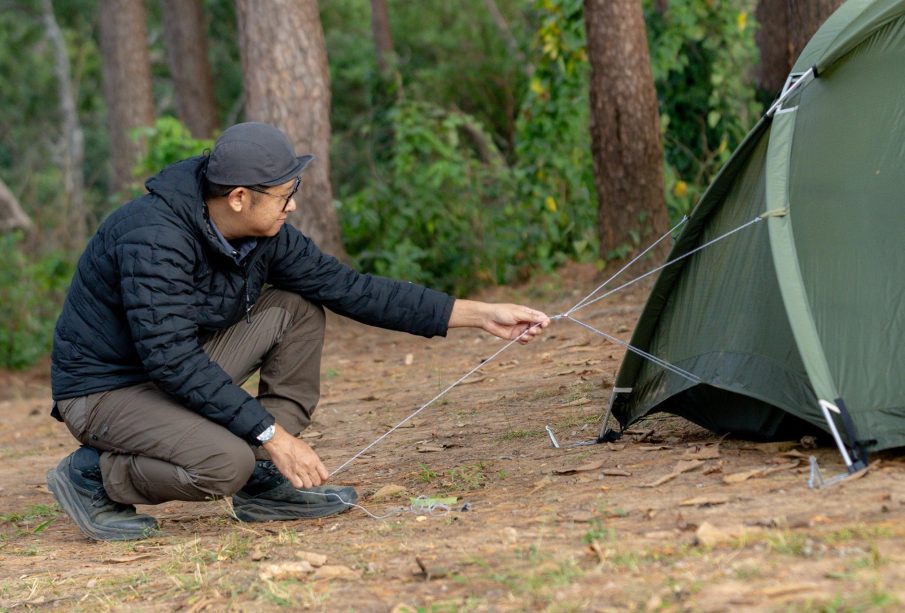
Solo camping can be one of the most rewarding outdoor experiences. It offers independence, quiet time in nature, and the chance to build confidence in your outdoor skills. However, camping alone also requires thoughtful preparation and awareness to ensure safety and comfort throughout the trip.
With the right approach, solo camping becomes both empowering and enjoyable, even for beginners ready to explore nature independently.
Choose a Beginner-Friendly Location First 📍
Selecting the right campsite is the most important decision when planning a solo trip.
Look for locations that offer:
- Marked camping zones
- Nearby ranger stations or support services
- Reliable access routes
- Moderate terrain difficulty
- Reasonable proximity to towns or villages
Starting with a managed campsite helps build confidence before attempting remote wilderness camping.
Inform Someone About Your Travel Plan 🧭
Always share your trip details with a trusted contact before departure.
Include:
- Destination name and campsite location
- Expected arrival and return times
- Emergency contact numbers
- Backup route information
This simple step ensures someone can act quickly if unexpected delays occur.
Pack Essential Safety Equipment 🎒
When camping alone, your gear becomes your primary support system.
Important safety items include:
- Headlamp or flashlight with extra batteries
- First aid kit
- Multi-tool or pocket knife
- Portable power bank
- Emergency whistle
- Offline navigation maps
Reliable equipment improves confidence and preparedness in unfamiliar environments.
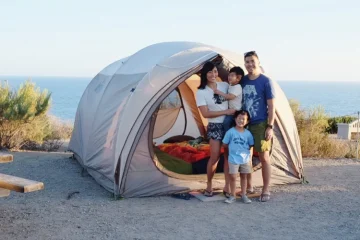
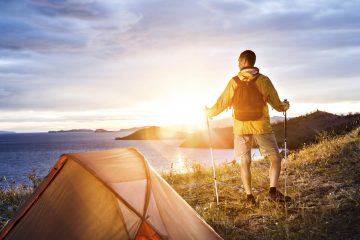
Arrive at the Campsite Before Sunset ⛺
Setting up camp during daylight improves both safety and comfort.
Early arrival helps you:
- Choose a secure tent location
- Inspect surrounding terrain
- Avoid wildlife activity zones
- Organize your campsite efficiently
Daylight setup reduces unnecessary stress and confusion.
Keep Your Campsite Organized and Simple
A tidy campsite improves safety during solo trips.
Follow these practices:
- Store gear in designated areas
- Keep essentials within easy reach
- Secure food properly
- Avoid clutter near tent entrances
An organized setup helps you respond quickly if conditions change overnight.
Learn Basic Navigation Skills Before Your Trip 🗺️
Even when using digital tools, traditional navigation knowledge is valuable.
Prepare by:
- Understanding trail markers
- Carrying offline maps
- Learning compass basics
- Identifiying nearby landmarks
Navigation confidence reduces the risk of getting lost.
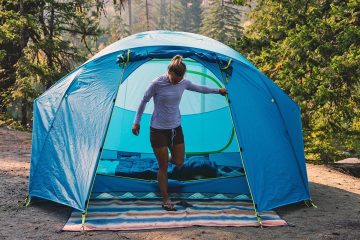
Choose the Right Shelter and Sleeping Setup 🛏️
Comfortable rest improves both safety and energy levels during solo camping.
Carry:
- Weather-appropriate tent
- Insulated sleeping mat
- Suitable sleeping bag for local temperatures
- Groundsheet for moisture protection
Proper sleep preparation supports physical recovery after outdoor activity.
Manage Food Storage Carefully 🍎
Food attracts wildlife, especially in forested and mountain areas.
To stay safe:
- Store food in sealed containers
- Avoid eating inside your tent
- Keep cooking areas separate from sleeping areas
- Dispose of food waste responsibly
Safe storage reduces unwanted animal encounters.
Stay Aware of Weather Changes 🌦️
Weather conditions can shift quickly in outdoor environments.
Before and during your trip:
- Monitor forecasts regularly
- Pack waterproof layers
- Avoid camping near flood-prone areas
- Secure tents against wind exposure
Preparedness allows you to adapt safely.
Trust Your Instincts and Stay Flexible
Solo camping requires awareness and decision-making confidence.
If something feels unsafe:
- Change your campsite location
- Adjust your route
- Contact local authorities if necessary
- Return early if conditions worsen
Flexibility is a key strength for safe solo travel.
Carry Communication Backup Options 📱
Signal coverage can vary in outdoor regions.
Improve communication reliability by carrying:
- Fully charged mobile phone
- Backup battery pack
- Offline emergency contacts
- Local emergency service numbers
Preparation ensures support remains accessible if needed.
Frequently Asked Questions (FAQs)
1. Is solo camping safe for first-time campers?
Yes, but beginners should start with established campsites that offer facilities and nearby assistance.
2. What is the ideal trip duration for a first solo camping experience?
A one-night or weekend trip is ideal for building confidence without feeling overwhelmed.
3. Should solo campers avoid remote wilderness areas?
Remote areas are better suited for experienced campers with strong navigation and survival skills.
4. How can solo campers reduce nighttime anxiety outdoors?
Choosing familiar campsites, setting up before sunset, and keeping a flashlight nearby helps increase comfort after dark.
5. What clothing is best for solo camping trips?
Layered clothing made from quick-dry and weather-resistant materials provides flexibility in changing conditions.
6. Are portable alarms useful during solo camping?
Yes. Small personal safety alarms can provide additional reassurance, especially in unfamiliar locations.
7. How can solo campers handle unexpected route changes safely?
Carry backup maps, track landmarks carefully, and allow extra time in your schedule to adapt if needed.