How to Plan a Perfect Weekend Camping Trip
A weekend camping trip is one of the simplest ways to step away from routine and reconnect with nature without taking extended time off. With the right preparation, even a short outdoor escape can feel refreshing, organized, and memorable rather than rushed or stressful.
Planning ahead helps you make the most of limited time while ensuring safety, comfort, and flexibility during your trip.
Choose the Right Camping Destination First 📍
The success of a weekend camping trip often depends on selecting a location that matches your schedule and comfort level.
Look for destinations that offer:
- Travel time under 3–4 hours
- Safe and accessible camping zones
- Basic facilities if you are a beginner
- Scenic trails or water bodies nearby
- Reliable mobile signal (if required)
Short travel distances allow you to spend more time enjoying nature instead of commuting.
Check Weather Conditions Before Departure 🌦️
Weather plays a major role in outdoor comfort and safety.
Before leaving:
- Review weekend forecasts carefully
- Prepare for temperature changes at night
- Pack rain protection if needed
- Avoid areas prone to sudden storms or flooding
Packing according to weather expectations prevents unnecessary inconvenience.
Reserve Campsites in Advance (If Required)
Popular camping areas often fill quickly, especially on weekends.
Advance booking helps you:
- Secure a safe camping spot
- Access designated facilities
- Avoid last-minute location changes
- Plan activities around your campsite
Some protected parks also require entry permits, so confirm regulations early.
Plan a Simple and Efficient Packing List 🎒
Overpacking can make short trips uncomfortable, while underpacking creates avoidable challenges. Focus on essentials only.
Important weekend camping items include:
- Lightweight tent
- Sleeping bag and sleeping mat
- Flashlight or headlamp
- Reusable water bottles
- Portable stove or ready-to-eat meals
- Extra clothing layers
- First aid kit
Keeping gear compact makes setup easier and travel smoother.
Organize Easy-to-Cook Meals 🍲
Weekend trips are ideal for simple cooking plans rather than elaborate menus.
Consider packing:
- Instant noodles or pasta
- Sandwich ingredients
- Dry fruits and nuts
- Energy bars
- Tea or coffee sachets
Pre-prepared ingredients reduce cooking time and cleanup effort.
Plan Activities Before Arrival 🚶♂️
Even short camping trips feel more rewarding when activities are planned ahead.
Popular weekend camping activities include:
- Short nature hikes
- Birdwatching
- Campfire storytelling
- Stargazing
- Photography walks
Having a loose activity plan helps maximize your time outdoors.
Pack Smart Clothing for Comfort 👕
Clothing choices affect your experience more than expected, especially during changing weather conditions.
Pack:
- Moisture-wicking shirts
- Warm layers for evenings
- Comfortable walking shoes
- Extra socks
- Lightweight rain jacket
Layered clothing works best for weekend camping flexibility.
Prepare a Quick Campsite Setup Strategy ⛺
Arriving late and struggling with setup can reduce valuable relaxation time.
Before departure:
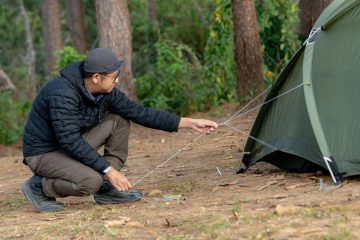
- Practice setting up your tent once
- Organize gear into labeled sections
- Keep essential tools accessible
- Carry a compact groundsheet
A quick setup lets you enjoy your surroundings sooner.
Follow Basic Camping Safety Practices 🔦
Safety preparation ensures your weekend remains enjoyable and stress-free.
Important precautions include:
- Inform someone about your travel plan
- Carry emergency contacts
- Keep a fully charged phone and power bank
- Store food securely
- Respect wildlife distance guidelines
Simple precautions can prevent common outdoor risks.
Leave the Campsite Clean and Undisturbed 🌱
Responsible camping protects natural spaces for future visitors.
Follow these habits:
- Carry back all waste
- Avoid damaging plants
- Use designated fire areas
- Keep noise levels low
- Respect campsite rules
Sustainable camping ensures nature remains welcoming for everyone.
Frequently Asked Questions (FAQs)
1. How early should I leave for a weekend camping trip?
Leaving early in the morning helps maximize daylight hours for campsite setup and outdoor activities.
2. Is solo weekend camping suitable for beginners?
Beginners can camp solo at managed campsites with facilities, but traveling with companions is recommended for first-time trips.
3. What is the ideal backpack size for a weekend camping trip?
A backpack between 30–50 liters is usually sufficient for a short camping trip with essential gear.
4. Should I carry extra water even if the campsite has a water source?
Yes. Carry backup drinking water in case the local source becomes unavailable or unsuitable.
5. Can weekend camping trips be done without cooking equipment?
Yes. Many campers bring ready-to-eat meals, fruits, and snacks that do not require cooking.
6. How can I keep electronics safe during camping trips?
Use waterproof pouches and store devices inside padded sections of your backpack.
7. What is the best way to manage waste during short camping trips?
Carry reusable trash bags and pack out all waste to dispose of it properly after leaving the campsite.